 Domi
Domi
Domi
Domi
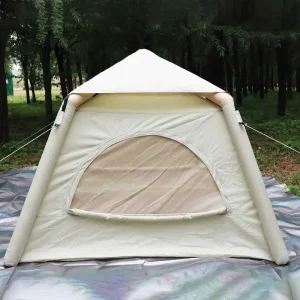
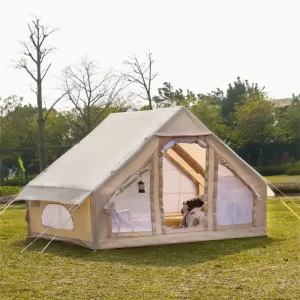
Engineered with double-coated high-tenacity polyester & TPU air beams to withstand demanding climatic conditions.
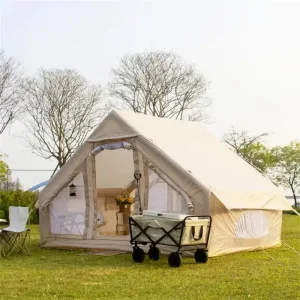
A strategic analysis of high-pressure inflatable structures and their growth vectors within the Balkan region.
Montenegro’s unique topography—ranging from the high alpine microclimates of the Durmitor Massif to the high-humidity, saline environments of the Adriatic coastline (Kotor, Budva, Bar)—presents extreme challenges for temporary architectural engineering. Traditional steel and aluminum-framed structures, while historically prominent, are rapidly losing ground to high-pressure inflatable structures. The primary driver is structural weight-to-volume ratio optimization coupled with superior aerodynamics under localized wind pressures (such as the intense regional Bura winds).
Furthermore, Montenegro's strict ecological laws within national parks require zero-impact tourism solutions. The installation of foundations or heavy mechanical frameworks is strictly controlled. Inflatable structures, which utilize air-beam foundations and temporary ballasts, leave zero environmental trace. This compliance makes them the primary recommendation for high-altitude eco-lodges, rafting base camps along the Tara River Canyon, and premium pop-up seaside beach clubs.
Marine salt environments accelerate the oxidation of metal frame joinery. By eliminating aluminum and steel components in favor of high-frequency welded TPU air beams covered with polyvinylidene fluoride (PVDF) coated fabrics, manufacturers achieve up to a 300% increase in structural lifespans along the Adriatic Coast.
Explore the engineering behind our high-frequency welded air structures and structural fabrics.
Our proprietary air beams are manufactured utilizing TPU instead of traditional PVC. TPU possesses exceptional elastic memory, remains flexible down to -30°C, and offers superior air retention without plasticizer degradation.
By utilizing thousands of polyester threads linking the upper and lower fabric layers, our high-pressure zones withstand up to 15 PSI. This technology creates flat structural walls and roofs with structural rigidity comparable to wood.
Engineered with built-in sleeve entries for HVAC systems. Provides continuous internal temperature control, vital for the high summer temperatures of coastal Montenegro and the freezing alpine nights.
How businesses and public organizations utilize temporary air structures across the Balkans.
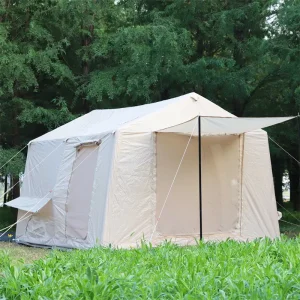
Used as premium lodging units around Žabljak and Plav. Resistant to high snow loads and extreme wind shear, offering high insulating factor profiles with zero site foundation footprint.
Deployable in under 10 minutes by municipal rescue forces during flooding, mountain rescue operations, or temporary crisis centers in coastal regions.
Ideal for luxury promotional events in Porto Montenegro and Tivat. Offers dynamic, high-tech visuals with full customization, including custom branding sublimation print.
A Global Standard in Inflatable Infrastructure Engineering & Sustainable Operations
Linyi Domi Outdoor Products Co., Ltd. is a cutting-edge, high-tech enterprise specializing in the research, development, production, sales, and global trade of industrial, commercial, and recreational tents. Based in Linyi City, Shandong Province, China, we combine innovative technology with sustainable practices to deliver premium outdoor solutions worldwide.
Equipped with a municipal-certified laboratory, 2 advanced spraying lines, 3 premium awning fabric lines, 10 high-precision stamping lines, 3 integrated assembly lines, and 7 eco-friendly production lines. With an annual capacity producing 600,000+ units of tents, sun umbrellas, and garden umbrellas, we maintain an agile supply chain that services over 30 countries—including the United States, France, Australia, Japan, South Korea, and the burgeoning markets of the Western Balkans.
Our strategic vision is encapsulated by the mantra: "Make every outdoor exploration worry-free." We protect the love of nature with engineering ingenuity and empower outdoor operations with modern innovation.
Providing clear, verified data aligned with Google's E-E-A-T guidelines for commercial buyers and architects.
Our inflatable structures are aerodynamically tested to withstand wind speeds of up to 100 km/h (equivalent to a Beaufort Scale 10 storm). The flexibility of high-pressure air beams allows the structure to absorb shock under high wind shear and bounce back immediately, preventing the buckling or snapping that is common in aluminum or steel frames.
We use double-coated high-tenacity polyester fabrics treated with UV-resistant coatings (UPF 50+). These coatings reflect high-energy radiation, preventing core polymer degradation. The outer layer is also treated with PVDF anti-dirt, salt-spray, and water-repellent systems to guarantee durability along coastal environments.
Traditional PVC becomes brittle and prone to cracking under sub-zero temperatures. TPU (Thermoplastic Polyurethane) retains its elasticity and structural integrity down to -30°C. In addition, TPU has a significantly lower air leakage rate, meaning it requires less pressure monitoring over weeks of deployment.
With proper care and maintenance, the outer skin and TPU air core have a design lifespan of 5 to 7 years in continuous outdoor applications. If a puncture occurs, the multi-chamber design prevents overall structural collapse. The affected chamber can be easily patched on-site using our heat-activated TPU repair kits without needing to dismantle the tent.
Yes. We offer high-resolution dye-sublimation and UV printing options. We can print logos, corporate graphics, or bespoke camouflage designs directly onto the fabric during the manufacturing stage. The prints are coated with an extra layer of protective varnish to resist abrasion and fade.
Explore our complete catalog of industrial, commercial, and modular folding systems ready for shipment to the Western Balkans.
Partner with a certified global leader in engineering-grade temporary shelter structures.
Send Inquiry Now