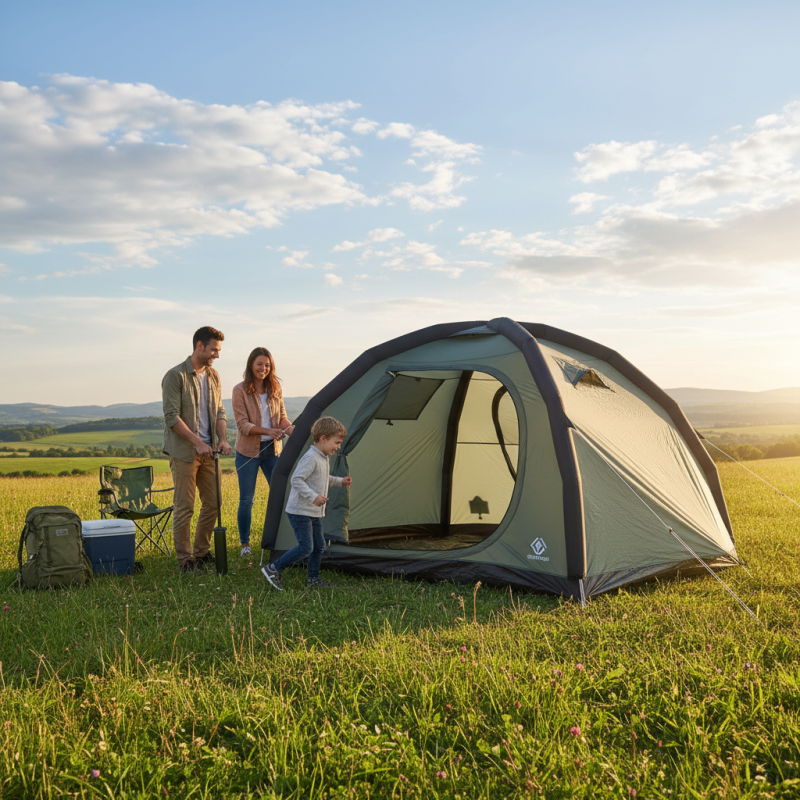
Choosing the best inflatable tent can be overwhelming. Experts like Tom Anderson, a leading figure in the outdoor gear industry, emphasize the importance of careful selection. He states, “Not all inflatable tents are created equal; quality matters.” This highlights the need for informed decision-making.
An inflatable tent should suit various needs—be it camping, festivals, or emergency shelter. When evaluating options, consider durability, ease of setup, and weather resistance. A sturdy tent can withstand wind and rain. Lightweight and portable designs enhance convenience for travel.
However, potential buyers should reflect on their specific requirements. While a cheaper model may seem appealing, it often compromises on quality. Investing in a high-quality inflatable tent is crucial for comfort and safety during outdoor adventures. Remember, choosing the right tent can significantly impact your overall experience.
Understanding Different Types of Inflatable Tents Available
When selecting an inflatable tent, understanding the different types available is crucial. Inflatable tents fall into various categories, including pop-up, air dome, and multi-room tents. According to recent industry data, the global market for inflatable tents is projected to grow by 6.5% annually, driven by demand for versatile outdoor solutions. Each type serves unique needs.
Pop-up tents are ideal for quick setups, appealing to casual campers. Air domes offer superior stability and space, perfect for family outings. Multi-room tents cater to larger groups, providing privacy and comfort. Still, it’s essential to consider storage and transportation. Larger models can be cumbersome, making size a critical factor.
Choosing the right tent often hinges on personal needs. Consider the location and weather conditions of your camping trip. A tent with robust weather resistance will be a wiser choice for rainy areas. Pay attention to materials, as durability impacts comfort and longevity. Lightweight options are excellent for hiking but may compromise structure. Balance between weight and sturdiness is key.
Key Features to Consider When Selecting an Inflatable Tent
When selecting an inflatable tent, consider essential features that enhance usability. Weight is crucial; lighter tents are easier to transport. A recent industry report noted that 70% of camper satisfaction is impacted by tent weight. Look for a tent that balances durability and portability. A model weighing around 15 pounds is ideal for most users.
Another key aspect is the material. Many inflatable tents are made from durable, weather-resistant fabrics. Opt for UV-resistant materials to ensure longevity. Studies show that UV exposure can weaken tent materials, reducing their lifespan by 30% over time. Always check the tent's waterproof ratings as well; a waterproof rating of at least 1500mm is recommended for reliable protection against rain.
Finally, consider the ease of setup. Tents that inflate in less than 10 minutes are often preferred. Quick setup contributes to a better camping experience. Yet, some inflatable tents can be complex or require specialized pumps. Reading user reviews can provide insight into setup challenges and ease of use. It’s worth reflecting on your own camping habits before making a decision.
Assessing Size and Capacity for Your Inflatable Tent Needs
When choosing an inflatable tent, size and capacity are critical aspects to consider. A recent industry report highlights that 65% of users prioritize spaciousness for comfort. This can significantly affect your camping or event experience. The right size ensures adequate space for occupants and gear. Misjudging this can lead to cramped conditions. For families, consider a tent that fits the number of people and equipment. A standard four-person tent may feel restrictive if you plan to store bicycles or other gear.
One effective tip is to visualize the tent setup. Imagine your sleeping arrangements and gear placement. This perspective can clarify your space needs. Additionally, check for peak height. It contributes to comfort and movement. A tent that is too low can feel claustrophobic, diminishing enjoyment. The right height allows you to stand and move freely.
Moreover, industry standards suggest allowing an extra 10 square feet per person for gear. This might seem excessive, yet it prevents overcrowded conditions. Often, people underestimate their space requirements. Reflect on what you'll bring along. Avoid the stress of tight spaces by planning carefully. Taking these elements into account can lead to a more satisfying outdoor experience.
Essential Tips for Choosing the Best Inflatable Tent
| Dimension |
Description |
Recommended Capacity |
Ideal Usage |
| 2-person |
Compact and lightweight, perfect for solo adventures or couples. |
1-2 people |
Hiking, backpacking, casual camping |
| 4-person |
Spacious enough for a family or group, balancing size and easy transport. |
3-4 people |
Family camping, weekend trips |
| 6-person |
Comfortable and roomy, designed for larger families or groups. |
5-6 people |
Group outings, festivals |
| 8-person |
Ultra-spacious, suitable for large gatherings or extensive camping trips. |
7-8 people |
Group camping, family reunions |
Evaluating Durability and Weather Resistance in Inflatable Tents
When selecting an inflatable tent, durability and weather resistance should be your top priorities. Inflatable tents are designed to withstand various weather conditions, but not all are created equal. Check for high-quality materials like ripstop fabric. This fabric can resist tears and abrasions. Additionally, look for tents with reinforced seams. These features enhance durability and extend the life of your tent.
Weather resistance is equally crucial. A tent's ability to repel water is vital for rainy conditions. Check the tent’s waterproof rating. A rating of 3000mm or higher is ideal. Also, consider wind resistance. Some inflatable tents come with extra guy lines or stakes to secure them in windy conditions. These added features can make a significant difference during storms.
Tips: Always read reviews from experienced users. They can provide insights into how tents perform in the real world. Consider the tent’s structure. A well-designed tent with a low profile may perform better in strong winds. Remember, a thoughtful choice will offer a better camping experience.
Comparing Price Ranges and Brands for Value and Quality
When selecting an inflatable tent,
price and brand play crucial roles. Exploring various price ranges helps you identify
what fits your budget. Lower-priced tents may lure with affordability. However,
cheap options can compromise durability and
features. A balance is necessary. Investing a bit more can yield better materials
and improved weather resistance.
Brand reputation also matters. Established brands
often showcase higher quality through extensive testing. They provide warranties and
customer support, ensuring your investment is safe. Smaller or lesser-known brands
may offer enticing prices but lack the reliability needed for outdoor adventures.
Customer reviews can reveal a lot; they offer insight into real-life experiences.
It's essential to consider the features you need.
Some tents offer excellent ventilation while others prioritize insulation. Think about
where you'll use it most. If you're camping in various climates, flexibility
is key. Spending a bit more for a versatile tent might be wise. Realistically, it’s
about finding the right features at a fair price without compromising on quality.
Conclusion
Choosing the best inflatable tent involves understanding the various types available and their specific uses. Different designs cater to diverse outdoor activities, and knowing the features that enhance usability—such as ventilation, ease of setup, and internal space—can greatly influence your decision. Assessing the size and capacity is crucial to ensure it meets your camping or event needs, accommodating the number of occupants comfortably.
Additionally, durability and weather resistance are paramount when selecting an inflatable tent, particularly for those who adventure in varying climates. Evaluating price ranges alongside the quality of materials and construction can help ensure that you invest in a tent that offers both value and longevity. By considering these essential tips, you can confidently choose an inflatable tent that suits your outdoor adventures.
 Domi
Domi