
Domi Domi

Why Choose the Best Camping Tent for Your Adventures?

Time:2026-06-01 Author:Charlotte
0%

Choosing the right camping tent can greatly impact your outdoor experiences. A quality camping tent keeps you safe and dry. It serves as your shelter during unpredictable weather and provides comfort while you rest.

Venturing into the wilderness requires careful preparation. Not all tents are created equal. Factors like size, weight, and material can shape your adventure. A tent that suits your needs makes a difference. It should be easy to set up and reliable in harsh conditions.

Investing in a top-notch camping tent showcases your commitment to quality and safety. It’s not just gear; it’s your home away from home. Every outdoor enthusiast can reflect on their tent choice's influence. Remember, a poor selection can turn a perfect trip into a nightmare.
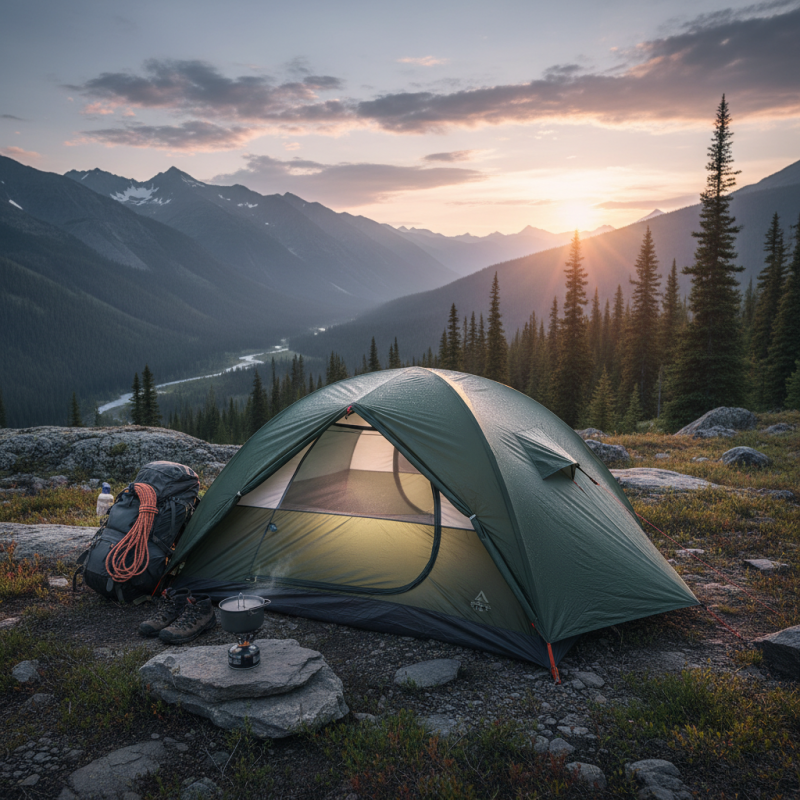
Why Choose the Best Camping Tent for Your Adventures?

The Importance of Choosing the Right Camping Tent for Outdoor Safety

Choosing the right camping tent is crucial for outdoor safety. A tent that fails under harsh conditions can lead to severe consequences. According to the Outdoor Foundation, nearly 6 million Americans camped regularly in 2022. Among them, 70% reported that they prioritize safety when selecting outdoor gear.

Proper ventilation is essential. Tents with inadequate airflow can cause moisture buildup, leading to mold. The American Lung Association stresses that mold exposure can trigger respiratory issues. A tent with multiple vents can help reduce these risks.

Weather resistance is another vital factor. Research from the American Camping Association suggests that 35% of campers have experienced weather-related issues. A sturdy, well-constructed tent can withstand wind and rain better. This means fewer worries about being caught in a storm. Comfort during unexpected weather can be a game changer.

Selecting a tent is more than just preference. It impacts your safety and overall experience. A well-chosen tent can enhance enjoyment. Yet, many campers overlook essential features. Always reflect on your needs versus the tent's capabilities. Your safety depends on it.

Importance of Selecting the Right Camping Tent for Outdoor Safety

Key Factors to Consider When Selecting a Camping Tent for Your Needs

Choosing the right camping tent is essential for enjoyable outdoor adventures. When selecting a tent, consider size and capacity. A tent must comfortably fit all occupants and gear. Think about the number of people and the space needed for sleeping and storage. Overcrowding can lead to an uncomfortable experience.

Weather resistance is another key factor. Look for features such as waterproof materials and sturdiness against wind. A good tent will keep you dry during rain and protect you from harsh winds. Be mindful of seasonal ratings. Some tents are designed specifically for summer, while others are more suited for winter conditions.

Another consideration is ease of setup. Many campers appreciate tents that can be pitched quickly. A complicated tent can lead to frustration, especially in adverse conditions. Reflect on your experience. If you've struggled with tent setup before, aim for simpler designs next time. Choose wisely, and ensure the tent matches the demands of your adventures.

Understanding Tent Types: From Backpacking to Family Camping Tents

When it comes to choosing a camping tent, understanding different tent types is crucial. Backpacking tents are lightweight and compact, making them ideal for hikers. Typically, they weigh around 2-3 pounds. This low weight eases transport, especially for long treks. Family camping tents, on the other hand, offer more space. They often accommodate four or more people and provide standing height. A typical family tent can weigh anywhere from 10 to 20 pounds, depending on size and materials.

A report by the Outdoor Industry Association states that nearly 40% of campers prefer tents when camping. This preference highlights the importance of selecting the right type of tent. Different tents cater to different needs. For example, dome tents offer stability in windy conditions but can lack space. Cabin tents provide ample room but may require careful setup to ensure stability.

Not all tents are foolproof. Weather resistance can vary significantly. Many tents will not withstand heavy rain or snow. Users should consult detailed product reviews or testing data before purchasing. The risk of discomfort during camping can be mitigated through informed decision-making.

Material Matters: Analyzing Weight, Durability, and Weather Resistance

Choosing the right camping tent means considering its material. A tent's weight impacts your journey. Lightweight tents are easy to carry but may sacrifice durability. Heavy tents offer strength but can burden your hike. It’s crucial to find a balance that suits your outdoor style.

Durability is another vital factor. Tents must withstand various elements, from windy conditions to heavy rain. Look for high-quality fabrics that resist tears and abrasion. Some tents use thicker materials that can endure rough terrain. However, thicker fabrics might increase weight. Reflect on what conditions you’ll face.

Weather resistance cannot be overlooked. In unpredictable climates, a tent should keep you dry. Choose materials that repel water while allowing breathability. Some waterproof tents handle rain, but condensation may form inside. Understanding these nuances helps you make informed choices. The right tent enhances your camping experience.

Industry Insights: How Tent Specifications Impact Camping Enjoyment

Choosing the best camping tent significantly affects your outdoor experience. A report by the Outdoor Industry Association highlights that 70% of campers consider tent quality as a crucial factor for enjoyment. Features like weather resistance and ventilation can make or break a camping trip. For instance, a tent with a high waterproof rating can keep you dry during heavy rain, while good ventilation helps prevent condensation buildup inside.

Tent specifications often include materials and size. A recent study revealed that tents with durable fabrics like ripstop nylon have a longer lifespan. Similarly, tents designed for family camping usually offer more space, contributing to comfort. However, not all campers prioritize weight. Some prefer heavier tents for their robustness, regardless of the extra pack weight. This reflects the diverse needs of campers, where comfort may outweigh convenience in some scenarios.

It’s essential to note that even the best tent can present challenges. Setup complexity and inner storage space are often overlooked. Many campers report frustration with tricky pole assemblies or insufficient gear storage. These factors can dampen the camping spirit. Therefore, understanding tent specifications and aligning them with personal camping style is vital for a fulfilling outdoor adventure.

FAQS

: What factors should I consider when selecting a camping tent?

: Consider size, capacity, weather resistance, and ease of setup. It’s important for comfort and safety.

How do I determine the correct size for my tent?

Estimate the number of occupants and gear. Overcrowding can make your camping experience uncomfortable.

What type of tent is best for backpacking?

Lightweight tents, around 2-3 pounds, are ideal for backpacking. They are easy to carry on long hikes.

Are family camping tents different from other tents?

Yes, family tents provide more space and standing height, accommodating four or more people comfortably.

How important is weather resistance in a tent?

Very important. A tent should be waterproof and sturdy. Otherwise, you risk being uncomfortable in bad weather.

What should I do if I'm not experienced with tent setup?

Choose simpler designs that are easier to pitch. Complicated tents can lead to frustration during setup.

Do all tents resist heavy rain or snow?

No, many tents can't withstand severe weather. Check specifications and reviews carefully before purchasing.

Why is ventilation important in a camping tent?

Good ventilation prevents condensation inside the tent, improving comfort during your trip.

Can tent weight affect my camping experience?

Yes, weight matters. Some campers prefer lighter tents for convenience, while others value the sturdiness of heavier tents.

What common issues do campers face with tents?

Campers often struggle with tricky setups and lack of storage space, which can affect enjoyment.

Conclusion

Choosing the best camping tent is crucial for ensuring safety and comfort during your outdoor adventures. A well-selected camping tent not only protects you from the elements but also enhances your overall camping experience. When selecting a tent, consider key factors such as size, weight, durability, and weather resistance. Understanding the different types of tents available—ranging from lightweight backpacking options to spacious family tents—can further guide your decision based on your specific needs.

Material plays a significant role in a camping tent's performance. Analyzing aspects like weight and durability will help you choose a tent that can withstand various weather conditions while being easy to transport. Industry insights reveal that the specifications of a tent can greatly impact enjoyment while camping, making it essential to prioritize your preferences and requirements when making a selection. Ultimately, investing time in choosing the right camping tent will enhance your outdoor experiences and keep you safe.

Charlotte

Charlotte

Charlotte is a seasoned marketing professional with a deep understanding of the company's portfolio and a passion for elevating its presence in the market. With a keen eye for detail and a commitment to excellence, she ensures that our professional blog is regularly updated with insightful articles......