
Domi
Choosing the perfect family camping tents can make or break your outdoor experience. Experts in the camping industry emphasize the importance of selecting the right tent. Sarah Turner, a renowned camping gear specialist, once said, “A well-chosen tent can enhance family bonding while keeping everyone comfortable.” Her insight highlights the tent’s role in creating memorable adventures.
Family camping tents come in various shapes and sizes, catering to different needs. Whether you prefer a cozy two-person tent or a spacious model for larger families, options abound. Consider factors like weather resistance, ease of setup, and space when making your selection. Families often overlook these details but they can significantly impact comfort and enjoyment.
Finding the right tent requires reflection on your family’s specific needs. Think about how many people will join you and what gear you’ll bring. Quality tents offer better protection, yet they can be pricier. Balancing budget and quality is crucial. Sometimes, less popular brands may provide excellent options. Strive to explore, compare, and invest wisely in your family camping tents for a truly unforgettable experience.
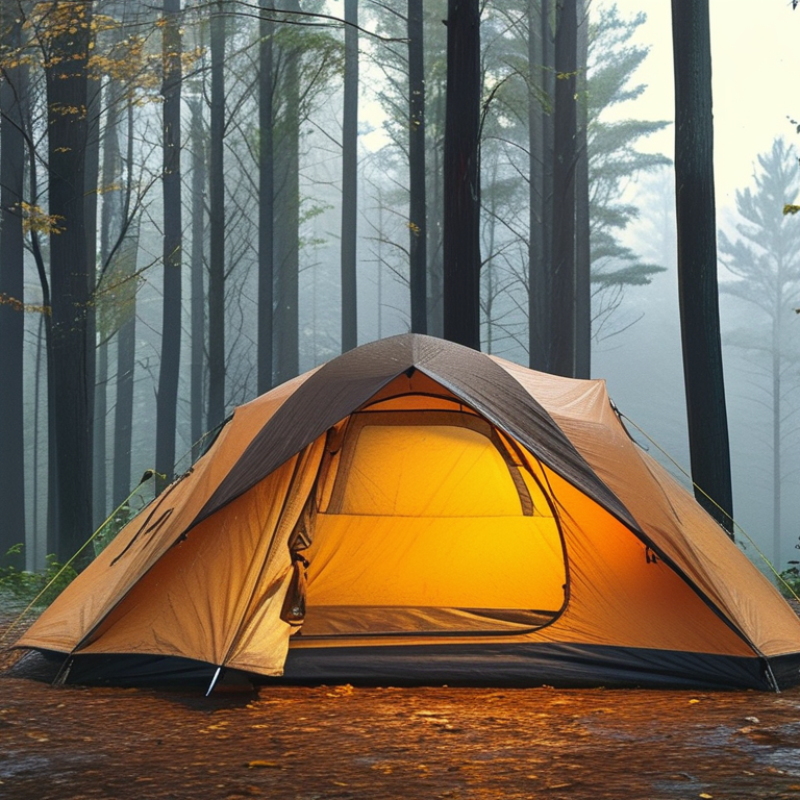
When choosing a family camping tent, understanding the types available is crucial. There are primarily three categories: dome tents, cabin tents, and pop-up tents. Dome tents are popular for their ease of setup and lightweight design. They offer good wind resistance and are great for various terrains. According to a report by the Outdoor Industry Association, dome tents account for about 45% of the total tent market.
Cabin tents are spacious and ideal for families. They often feature vertical walls, providing more headroom. This style is excellent for extended trips, enabling easy movement inside. However, cabin tents can be heavier and bulkier, making transport challenging. A study from the Camping and Caravanning Club indicates that around 30% of family campers prefer cabin models for their comfort and space.
Pop-up tents offer convenience and quick setup, requiring only a few seconds to erect. They are lightweight and perfect for short trips. Yet, their durability is often questioned, particularly in harsh weather conditions. Some campers find that while pop-up tents are easy to use, they may not withstand heavy rainfall. This reflects an important consideration: the balance between convenience and reliability in tent choice. Each tent type has its own advantages and drawbacks, requiring careful thought to ensure the best camping experience for the family.
When choosing the best family camping tent, several key features stand out. Size is critical. Your tent should comfortably accommodate your family, with space for gear. Look for a tent that offers at least 60 square feet of interior space. This allows for a good sleeping arrangement and some room to move around.
Weather resistance is another essential aspect. A tent with a waterproof rainfly and durable materials helps keep everyone dry during unexpected rain. Check for a tent that includes good ventilation as well. Proper airflow prevents condensation buildup, which can dampen your camping experience.
Easy setup can significantly enhance your trip. Opt for tents that feature color-coded poles or pop-up designs. These types can generally be assembled in minutes. It’s also worth considering weight if you plan to hike to your campsite. Lightweight options are easier to transport but still offer stability and space. Balancing these features can lead to a more enjoyable outdoor adventure.
| Tent Model | Capacity | Weather Resistance | Setup Time | Weight | Price Range |
|---|---|---|---|---|---|
| Model A | 5-6 People | Rainfly included | 15 minutes | 15 lbs | $200 - $250 |
| Model B | 4-5 People | Waterproof | 10 minutes | 10 lbs | $150 - $200 |
| Model C | 6-7 People | UV protection | 20 minutes | 20 lbs | $300 - $350 |
| Model D | 3-4 People | Ventilation options | 5 minutes | 8 lbs | $100 - $150 |
When planning a family camping trip, the right tent can make all the difference. In 2023, several top brands stood out for their innovative designs and reliable performance. These tents offer spacious interiors, ensuring comfort for families of all sizes. Features such as easy setup, waterproof materials, and strong ventilation are crucial for an enjoyable camping experience.
It's essential to consider your family's specific needs. Some tents may look great, but they might not withstand heavy rain. Others may be too complex to set up for a quick weekend getaway. Think about the number of occupants, storage space, and your camping style. Some popular options this year include classic dome shapes and cabin designs, each catering to different preferences.
While evaluating these tents, reflect on previous experiences. Perhaps your last tent leaked or had inadequate space. Learning from those moments can help you make better choices. A good tent is not just about the brand but also how it fits your family's adventures. Remember, every experience adds to your journey, whether it's a great camping trip or a learning moment.
Choosing the right size tent for your family is crucial. A study by the American Camping Association shows that 60% of campers prioritize space when selecting a tent. A tent should provide enough room for everyone to sleep comfortably. Overcrowded conditions can lead to discomfort and frustration during your trip.
Consider the number of people in your family. If you have four members, a tent rated for six is advisable. This extra space allows for gear storage and movement. According to the Outdoor Foundation, families often underestimate the space required for their belongings. A tent that feels cramped can ruin the camping experience.
It's also essential to think about the tent's height. Many family tents offer a center height of over 5.5 feet. This allows adults to stand up and change clothes comfortably. Features like vestibules for gear storage can enhance your camping experience. While many families choose popular tent designs, unique needs may not be met. Reflecting on your family's specific requirements can lead to a more enjoyable adventure.
Setting up a family camping tent can be a rewarding challenge. According to a report by the Outdoor Industry Association, over 40 million families camp every year in the U.S. Proper setup is crucial. Did you know that nearly 20% of campers struggle with tent assembly? This common issue can lead to frustration, especially with children around.
Finding a flat, dry area is essential for your tent's stability. Survey data reveals that uneven ground can lead to water pooling, ruining your camping experience. Invest time in selecting the right spot. Clear any debris to prevent tears in the fabric. Additionally, consider the wind direction. It’s smart to pitch the tent facing away from strong winds.
Use techniques like guy lines for extra support. Many families overlook this simple step, but it increases security in unpredictable weather. Practice setting up your tent at home. This helps familiarize everyone with the process. Plus, it’s a great bonding activity. Remember, even seasoned campers can encounter unexpected difficulties. Embrace the imperfections and learn from your experiences.
: The three main types are dome tents, cabin tents, and pop-up tents.
Dome tents are lightweight, easy to set up, and offer good wind resistance.
Cabin tents provide spacious interiors, ideal for family activities and extended trips.
Choose a tent that accommodates all family members plus extra space for gear.
Families often underestimate the space needed for belongings, leading to cramped conditions.
Pop-up tents are easy to set up but may not withstand harsh weather well.
Many family tents have a center height of over 5.5 feet for easy movement.
Vestibules provide extra storage space for gear, keeping the tent organized.
Reflect on your family’s specific needs and adjust your tent choice accordingly.
Popular styles may not meet unique needs, so evaluate your family's requirements carefully.
When planning your next adventure, choosing the right Family Camping Tents is essential for a comfortable experience. Understanding the various types of family tents available can help you select one that suits your needs, whether you prefer a cabin, dome, or pop-up style. Key features to consider include waterproof materials, ventilation, space, and ease of setup.
Additionally, it's vital to choose the appropriate size tent for your family to ensure everyone has enough room to relax. Following best practices for setting up your tent will enhance your overall camping experience, providing a safe and enjoyable environment for your family. By considering these factors, you can make an informed choice for your family camping trip.
